
Who Is—and Who Should Be—Liable for Medical AI Errors?
Session Description
AI, like all tools, will sometimes fail. When it does, and when a patient is injured as a result, who will be held legally liable for that injury? And who should be held liable? This session will give an overview of liability doctrines and how they apply to medical AI, and consider some policy implications of those doctrines and how they might be shaped as law develops in this space. Warning: there won’t be a lot of clear answers, because this space is muddled and still developing.
Video
Additional Resources
General overviews:
- Understanding Liability Risk from Using Health Care Artificial Intelligence Tools
- Chapter 9: Liability for use of artificial intelligence in medicine
- Locating Liability for Medical AI
Physician liability
- Potential Liability for Physicians Using Artificial Intelligence
- When Does Physician Use of AI Increase Liability?
- How Much Can Potential Jurors Tell Us About Liability for Medical Artificial Intelligence?
Liability Insurance
Collaborative Governance
Interaction between FDA regulation and liability
- Medical Device Artificial Intelligence: The New Tort Frontier
- Chapter 2: Product Liability Suits for FDA-Regulated AI/ML Software
Bias, contextual bias, and bias over time
- Dissecting racial bias in an algorithm used to manage the health of populations
- Medical AI and Contextual Bias
- Exclusion cycles: Reinforcing disparities in medicine
Speaker
W. Nicholson Price, J.D. | Professor of Law, University of Michigan Law School
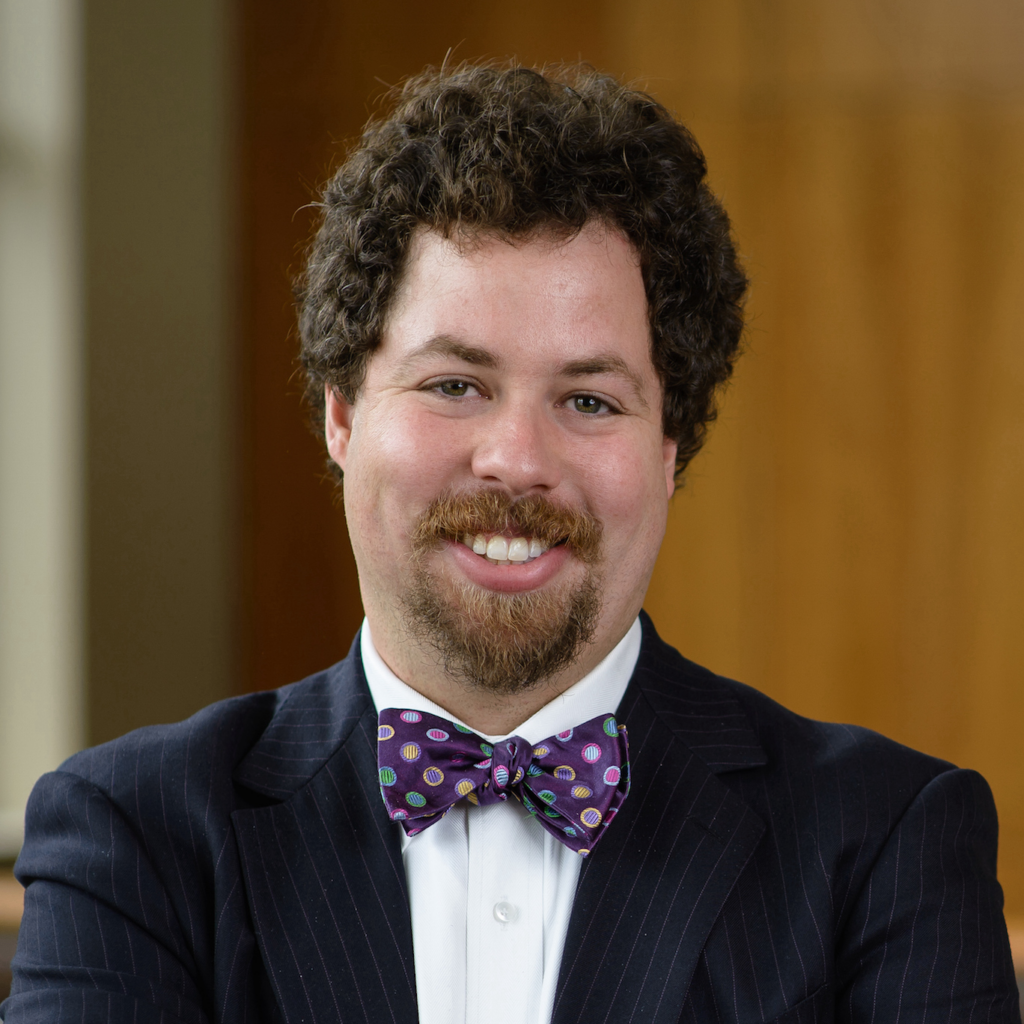
Nicholson Price is a Professor of Law at the University of Michigan Law School. He studies how law shapes biomedical innovation, especially in the area of artificial intelligence in medicine. He has authored over three-score articles and books chapters, which have appeared in fancy places. He teaches patents, health law, innovation in the life sciences, AI and the law, and science fiction and the law. He recommends reading Bujold, Chambers, Jemisin, and Older.
Nicholson is a Senior Fellow at the University of Copenhagen’s Center for Advanced Studies in Bioscience Innovation Law; a faculty affiliate at the Project on Precision Medicine, Artificial Intelligence, and the Law at the Petrie-Flom Center at Harvard Law School; and a Celadon Fellow at the Center for Trustworthy AI at Seoul National University. He holds a PhD in Biological Sciences and a JD, both from Columbia, and an AB from Harvard


