
Beyond Algorithms: Integrating AI into Healthcare Systems
Session Description
Sepsis remains one of the most urgent and deadly conditions worldwide, requiring rapid recognition and intervention to save lives. Early recognition and treatment of sepsis can improve outcomes. In this session, Dr. Wardi and Dr. Nemati will present an Artificial Intelligence (AI) model that predicts sepsis in real-time using electronic health records, and show how its implementation in two emergency departments was associated with a significant reduction in mortality and an increase in sepsis bundle compliance. Additionally, they will highlight some of their ongoing work integrating smart order sets, wearable sensors, and biomarkers into an uncertainty-aware, information-seeking AI model—further enhancing its accuracy and timeliness in clinical decision-making.
Video
Speakers
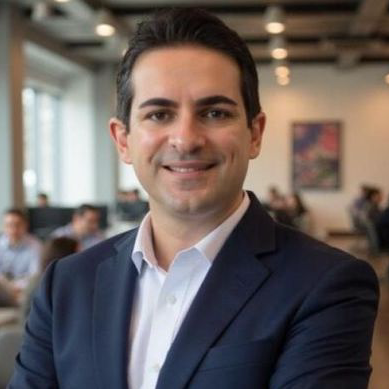
Shamim Nemati, PhD | Associate Professor, Medicine, UCSD
Dr. Nemati’s work is focused on utilizing large-scale multimodal datasets from electronic health records and wearable sensor technology, paired with cutting-edge machine learning techniques, to improve patient experience and outcomes across the continuum of care. He obtained his Ph.D. degree in Electrical Engineering and Computer Science from MIT in 2013, followed by two years of postdoctoral fellowship at the Harvard Intelligent Probabilistic Systems group. He is currently the Director of Predictive Health Analytics at UC San Diego (UCSD) Health and an Associate Professor of Biomedical Informatics at UCSD where he leads an NIH-funded critical care informatics research group. He has published in several areas of research, including advanced signal processing and machine learning techniques, computational neuroscience/brain-machine interface, and predictive monitoring in hospitalized patients, resulting in over 100 peer-reviewed publications.
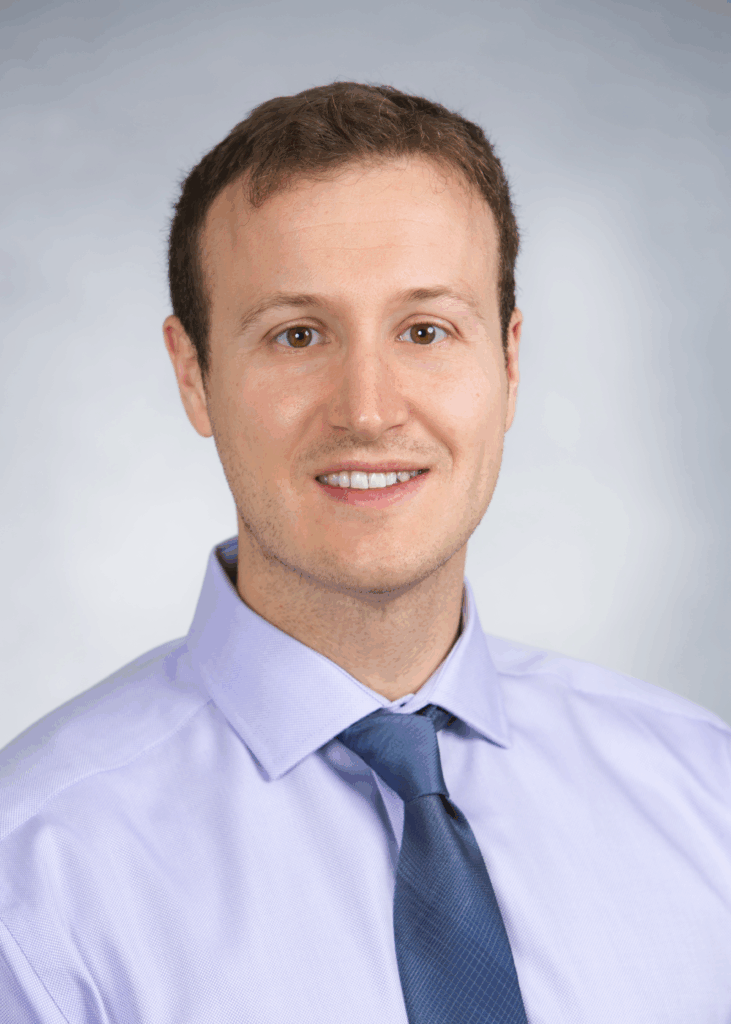
Gabriel Wardi, MD, MPH | Associate Professor of Clinical, Emergency Medical Services, UCSD
Dr. Gabriel Wardi an emergency medicine-trained intensivist and Associate Professor at the University of California, San Diego (UCSD) where he holds a joint appointment in the Division of Pulmonary and Critical Care Medicine and Department of Emergency Medicine. He has been recognized as a “Top Doc” in San Diego multiple times and recieved multiple awards for teaching and mentoring at UC San Diego. His research focuses on improving outcomes of patients with sepsis and septic shock, with a major emphasis on the development and implementation of novel deep-learning approaches to identify and personalize care for these patients better. His is currently funded by the NIH via a K23 grant to use big data and wearable bio-patches to better care for sepsis patients during their continuum of care. This is complementary to his role as Medical Director of Hospital Sepsis at UC San Diego, a position which affords him tremendous insight into challenges with bedside care of sepsis across a large health system.
Discussant
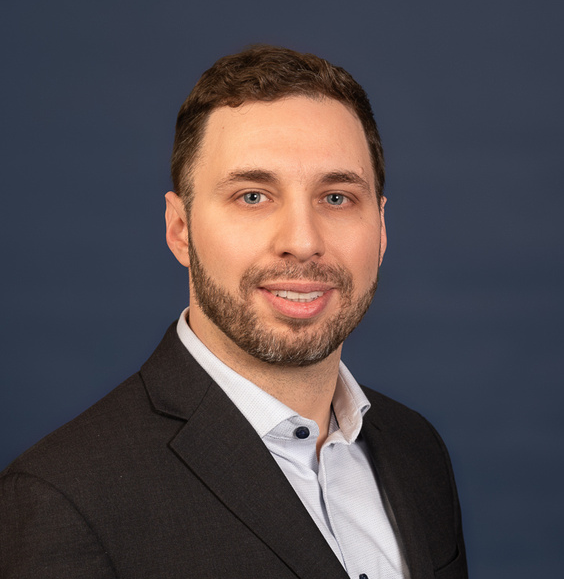
Dr. Yasir Tarabichi, MD, MSCR | Chief Medical Informatics Officer, Ovatient; Director of Clinical Research Informatics, The MetroHealth System
Dr. Yasir Tarabichi is a board-certified clinical informaticist, pulmonologist and intensivist dedicated to advancing the responsible implementation of artificial intelligence (AI) in healthcare systems.
He serves as the Chief Medical Informatics Officer of Ovatient, an intrapreneurial virtual care collaborative launched by MetroHealth and the Medical University of South Carolina. In this role, he spearheads an initiative that is built with interoperability at its core, facilitating unprecedented collaboration across disparate electronic health record systems and healthcare organizations.
As Director of Clinical Research Informatics, he has led multiple initiatives focusing on the integration of data analytics and AI to improve clinical decision-making and operational efficiency. He is also the inaugural co-chair of MetroHealth’s AI Advisory Committee. Dr. Tarabichi’s research interests include studying the implementation of advanced clinical decision support modalities on care processes and outcomes, with an emphasis on safe and responsible implementation of AI-supported interventions in a community healthcare setting.
other real-world AI series


Precision Resuscitation with Crystalloids in Sepsis (PRECISE trial)
September 12, 2024
